

LifeWritr — Turning Spoken Memories into Written Legacies
Most people will never write their life story — not because it doesn't matter, but because writing is hard and the blank page is intimidating. LifeWritr solves this with an AI-powered platform that captures life stories through natural voice conversations and transforms spoken memories into structured, written autobiographies families can treasure forever.
This case study covers how Brainspack built LifeWritr — from real-time voice AI and intelligent interview orchestration to narrative structuring and a sharing system that lets loved ones explore the finished story.
Why Life Stories Go Untold
The client had a deeply personal mission: make it easy for anyone to preserve their life story before it’s too late. They’d seen too many families lose irreplaceable memories when a parent or grandparent passed away — stories that existed only in someone’s head, never written down, never recorded, gone forever. The idea was simple: what if you could just talk, and AI would do the rest?
But simple ideas hide enormous complexity. The client had already explored basic transcription tools — record a conversation, get a transcript. The result was unusable. Raw transcripts are disorganized, repetitive, full of tangents, and read nothing like a coherent narrative. What they needed wasn’t transcription. They needed an AI system that could interview someone like a skilled biographer, organize memories into a meaningful narrative arc, handle contradictions and timeline gaps gracefully, and produce something families would actually want to read.
They came to Brainspack looking for an AI development company that could build the full product — voice AI, intelligent interviewing, narrative structuring, and a polished mobile experience — from the ground up.
The Challenges
Talking Is Easy, Writing Is Hard
Raw spoken memories are messy — the AI needed to extract meaning and organize them into structured chapters, themes, and timelines.
An AI Interviewer, Not a Transcription Tool
The AI needed to actively guide conversations — asking follow-ups, probing gaps, and responding sensitively to emotional moments.
Life Stories Are Messy and Contradictory
People remember out of order — contradictions, gaps, mixed timelines — all without disrupting the natural flow of storytelling.
Real-Time Voice with Low Latency
Sub-second response times and a natural-sounding voice — fast enough that users never felt like they were talking to a machine.
Cross-Platform Mobile Experience
One button, start talking — the interface had to be that simple, especially for older adults less comfortable with technology, across both iOS and Android
Privacy-Sensitive Content at Scale
Life stories are deeply personal — encrypted storage, strict access controls, and storyteller-controlled sharing were non-negotiable.
Technologies Used
Python
FastAPI
Stripe
Qdrant
AWS
Prisma
GPT-4o
Deepgram
Building an AI Biographer That Listens, Remembers, and Writes
We approached LifeWritr as three interconnected systems: a Voice AI Layer that handles the real-time conversational experience, an Intelligence Layer that manages the interview strategy, memory retrieval, and narrative arc, and a Structuring Layer that transforms raw spoken content into organized, readable chapters. All of it wrapped in a mobile app simple enough for someone’s grandmother to use.

Real-Time Voice Conversation Engine
OpenAI Realtime API powers natural, low-latency voice conversations — speech in, contextual response out, within seconds.

Intelligent Interview Orchestration
The Interview Orchestrator tracks covered periods, fills gaps, probes emotional moments, and picks up exactly where the last session left off.

Memory Retrieval & Conflict Resolution
A searchable memory bank surfaces past memories naturally, flags contradictions silently, and lets users resolve them during review sessions.

Narrative Structuring & Generation
Raw transcripts are transformed into polished, chapter-organized autobiographies — exportable as Legacy Letters or Just-in-Case documents.
Sharing & Access Control
The storyteller controls exactly who sees what — invitation-based access with granular permissions, chapter-level visibility, and fully revocable access for every reader.

Cross-Platform Mobile App
React Native app with a one-tap recording flow — plus scheduled phone dial-in sessions for users who prefer traditional calls.
Our Solutions

AI Automation Engine
Built intelligent workflows to automate repetitive processes.

Scalable Architecture
Built a cloud-based system capable of handling large-scale operations.

Real-Time Analytics
Implemented dashboards to provide instant business insights.

UI / UX Optimization
Designed intuitive interfaces for seamless user interaction.
Technologies Used
ReactJS
NodeJS
AWS
Docker


Figma
Figma is a cloud-based design and prototyping tool, enabling collaborative real-time editing for teams. It features powerful vector editing, interactive prototyping, and supports design consistency through components and styles. With cross-platform accessibility, Figma streamlines the entire design process from creation to developer handoff.
Adobe XD
Adobe XD is a powerful design and prototyping tool that simplifies the creation of user interfaces and experiences. With a user-friendly interface and robust features, it enables designers to efficiently design and prototype websites and applications. Collaboration is seamless, and interactive prototypes allow for thorough testing of designs, making it a go-to tool for UI/UX professionals.
Photoshop
Adobe Photoshop is a powerful raster graphics editor used for image editing, retouching, and manipulation. It provides a wide range of tools for creating and enhancing digital images, including layers, filters, and various effects. Widely used by photographers and designers, Photoshop is an industry-standard software for professional image editing and graphic design.


HTML
HTML stands as the fundamental framework for web content, employing tags to meticulously structure and visually present information

CSS
CSS styles web content, enhancing visual appeal through design, layout, and presentation for immersive user experiences


JavaScript
JavaScript powers dynamic web behavior, enabling interactive features, animations, and seamless user experiences on websites.

ReactJS
ReactJS revolutionizes web development with a declarative, component-based approach, fostering efficient, scalable, and interactive interfaces.
Angular
Angular empowers application development, delivering a solid structure for creating dynamic, scalable, and feature-rich experiences effortlessly.
React Native
React Native streamlines cross-platform mobile app development, ensuring efficiency and code-sharing between iOS and Android platforms.
Uizard
Uizard is an AI-powered design tool that helps users quickly create UI/UX designs, wireframes, and prototypes without needing advanced design skills. It allows you to turn ideas, sketches, or text prompts into fully designed interfaces in minutes.
Galileo AI
Galileo AI is an advanced AI design tool that generates high-fidelity UI designs from simple text prompts. It helps designers and teams quickly turn ideas into visually appealing app and website interfaces without starting from scratch.
Google Stitch
Google Stitch is an AI-powered design tool that quickly transforms ideas into high-quality UI designs, generating layouts and components from simple inputs to make the design process faster, easier, and more efficient.
Node.Js
Node.js fuels server-side JavaScript, facilitating scalability and efficiency in web applications and APIsA.

PHP
PHP is a server-side scripting language for dynamic web development. Popular backend language with the Laravel framework for building secure and structured web applications.

Python
Used for rapid backend development, building APIs, and handling data-driven applications with simple and clean syntax.
Streamline your business operations.
- Add a feature section about the product.
- Add a feature section about the product.
- Single upfront payment.
Task management

Curious george
UI UX designer
1 days Ago
Progress Tracking



Ensure strong solutions are available at all times
Until recently, the prevailing view assumed lorem ipsum was born as a nonsense text. It's not Latin though it looks like nothing.
- On demand support
- Information Sharing
- Cloud Technology



Select the pricing plan that best suits your needs.
Simplified
For individuals and small teams with unlimited trial access.
$19.00
Monthly
$230.00
Yearly
- Single Payment
- Selling your own items
- Powerful integration
Basic
For individuals and small teams with unlimited trial access.
$3342.00
Monthly
$4420.00
Yearly
- Unlimited Bandwidth
- Promotional Tools
- Single Payment
- Single Payment
- Selling your own items
- Powerful integration
Enhanced
For individuals and small teams with unlimited trial access.
$4800.00
Monthly
$5800.00
Yearly
- Selling on your own conditions
- Seamless integrations
- Real-time streaming
Requirement Analysis
Requirement Analysis
Requirement Analysis
Requirement Analysis
Measurable Impact
LifeWritr’s success is measured in stories preserved and families connected. Here’s what the platform achieved:
< 2s
27
45 min
1-Tap
Quality Outcomes
Frictionless Onboarding
First voice session completed within 2 minutes of download — one-tap flow eliminated adoption friction for older users.
Stories That Read Like Books
Chapter-organized autobiographies that users described as feeling like a real book — not a transcript.
Multi-Session Continuity
Full context maintained across 10+ sessions — memory retrieval built naturally on every past conversation without users repeating themselves.
Family Engagement
Family members actively explored shared autobiographies — with full storyteller control over access, and Just-in-Case documents particularly valued for end-of-life planning.
Accessible to All Ages
Phone dial-in expanded access to elderly users who prefer traditional calls — same AI quality, no smartphone required.
How We Built Aura
Aura
Delivered
How We Built LifeWritr
How We Built Aura
Aura
Delivered
What Makes LifeWritr Unique
Voice-First, Zero-Typing Experience
One tap, start talking — the AI interviews, transcribes, and structures the full narrative. No typing, no buttons, no friction.
AI That Interviews Like a Biographer
The Interview Orchestrator tracks covered periods, identifies gaps, asks follow-ups, and knows when to go deeper — like a skilled listener who never forgets a word.
Life Period Coverage Tracking
Visual life coverage tracking balances user-led storytelling with gentle nudges toward gaps — ensuring a comprehensive autobiography, not just favourite memories.
Automatic Conflict Detection
When contradictions arise, the AI flags them without interrupting the conversation — users resolve conflicts during review sessions, keeping the final narrative accurate.
Two Document Types for Different Needs
Two document types — Legacy Letters (full autobiographies) and Just-in-Case documents (focused messages for specific people) — auto-generated and fully editable.
Phone Dial-In for Non-App Users
For users who prefer traditional calls, LifeWritr schedules phone sessions — same AI interviewer, same memory system, same narrative output, no smartphone required.
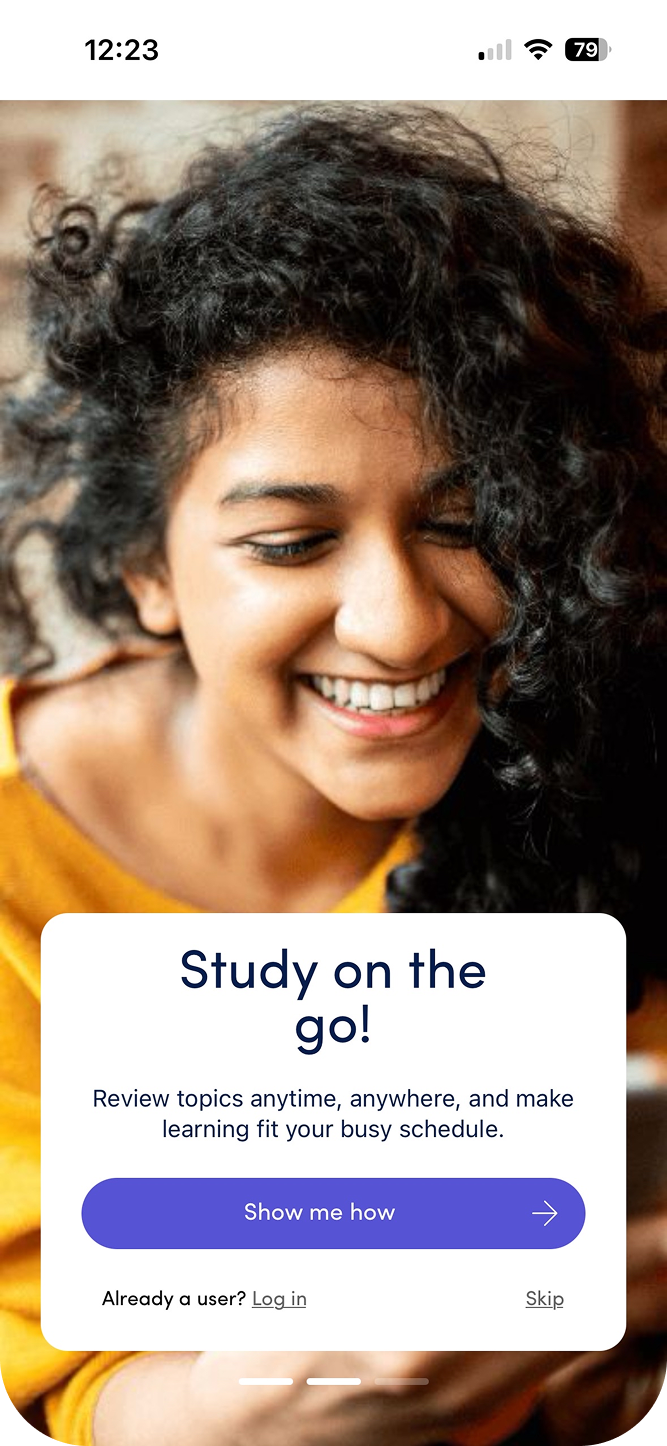
Project Screenshots



Common Questions About This Project
LifeWritr is an AI-powered voice autobiography platform. Users open the mobile app and have natural voice conversations with an AI interviewer that guides them through their life story. The system records, transcribes, and organizes those conversations into structured, readable autobiographies — complete with chapters, timelines, and narrative prose. Family members can then be invited to read and explore the finished story.
Transcription gives you a messy, unorganized dump of speech. LifeWritr does five things transcription can’t: it actively interviews you (asking follow-up questions, guiding the conversation), it remembers everything across multiple sessions, it tracks which life periods you’ve covered, it resolves contradictions in your timeline, and it generates polished, chapter-organized narrative prose that reads like a real autobiography.
LifeWritr uses OpenAI’s Realtime API for bidirectional voice streaming (the user speaks and the AI responds with natural speech), Deepgram for high-accuracy real-time transcription, and GPT-4o for interview intelligence, follow-up question generation, and narrative prose writing. The entire voice pipeline runs with under 2-second latency.
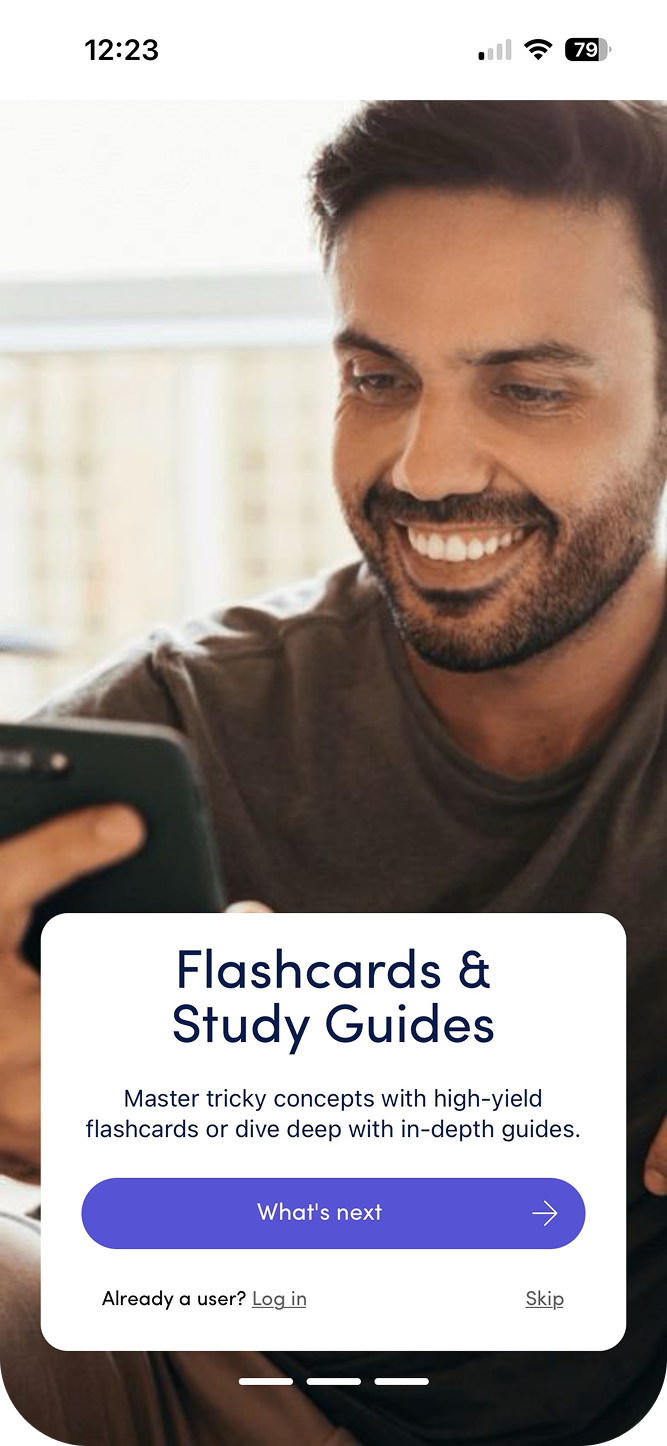
That was a core design requirement. The app interface is extremely simple — open the app, tap one button, start talking. For users who don’t want to use a smartphone at all, LifeWritr also supports phone dial-in sessions where the system calls the user at a scheduled time and conducts the interview over a regular phone call.
Life stories contain deeply personal information, so LifeWritr was built with healthcare-grade security. All data is encrypted at rest (AWS S3) and in transit. The storyteller controls exactly who can read their story through an invitation-based sharing system with granular permissions. Access is revocable at any time.
LifeWritr uses a two-service architecture: NestJS for the application backend (user management, billing, sharing) and Python/FastAPI for AI workloads (voice processing, interview orchestration, narrative generation). The mobile app is built with React Native for iOS and Android. The database layer includes PostgreSQL with Prisma ORM (27 tables, 10 domains), Qdrant for memory search, and Redis for caching. Deployed on AWS with Docker containerization.
Yes. The voice AI architecture behind LifeWritr — real-time conversation engines, intelligent interview orchestration, memory systems, content structuring — is adaptable across use cases. Whether you need a voice-based customer onboarding experience, an AI interviewer for research, a voice-first knowledge capture tool, or any application where speaking is easier than typing, we can build it.
Have an idea for a voice-powered AI product, or need to build an intelligent app from concept to launch?
We build full-product AI applications — from voice AI and conversation engines to mobile apps and cloud deployment. If your product needs real-time voice, intelligent content generation, or AI that adapts to each user, we’d love to hear about it.