
SaaS Development Services for Scalable Product Platforms
Building a SaaS product is one thing. Building one that handles multi-tenant data isolation correctly, scales without architecture rewrites every six months, integrates billing and subscription management cleanly, and doesn't require a full engineering team to keep running - that's where most SaaS products run into trouble. At Brainspack, we design and build SaaS platforms from the ground up with the architecture decisions that hurt you later baked in correctly from the start: multi-tenancy, API-first design, subscription billing, role-based access, and the DevOps foundation that lets your team deploy confidently. We don't just build the MVP - we build the platform.
SaaS Development Solutions for Real Business Challenges
Every SaaS product we build starts with the specific product hypothesis and the architectural decisions that will either support or constrain your growth. We build for where you're going, not just where you are on day one.

No services found. Please add services from the Services post type.
Figma
Figma is a cloud-based design and prototyping tool, enabling collaborative real-time editing for teams. It features powerful vector editing, interactive prototyping, and supports design consistency through components and styles. With cross-platform accessibility, Figma streamlines the entire design process from creation to developer handoff.
Adobe XD
Adobe XD is a powerful design and prototyping tool that simplifies the creation of user interfaces and experiences. With a user-friendly interface and robust features, it enables designers to efficiently design and prototype websites and applications. Collaboration is seamless, and interactive prototypes allow for thorough testing of designs, making it a go-to tool for UI/UX professionals.
Photoshop
Adobe Photoshop is a powerful raster graphics editor used for image editing, retouching, and manipulation. It provides a wide range of tools for creating and enhancing digital images, including layers, filters, and various effects. Widely used by photographers and designers, Photoshop is an industry-standard software for professional image editing and graphic design.

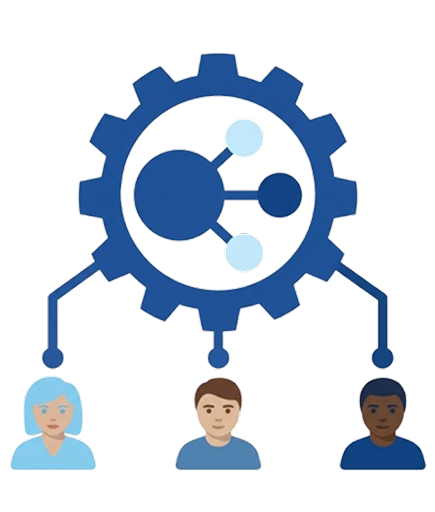
SaaS Architecture & Technical Planning
The architectural decisions you make when building a SaaS product - multi-tenancy model, database isolation strategy, authentication approach, API design, deployment infrastructure - are expensive to change later and almost free to get right at the start. We spend the right amount of time on architecture before any development begins: defining the tenancy model, data isolation approach, API contract, scaling strategy, and the technology stack that fits your product, your team, and your growth trajectory.
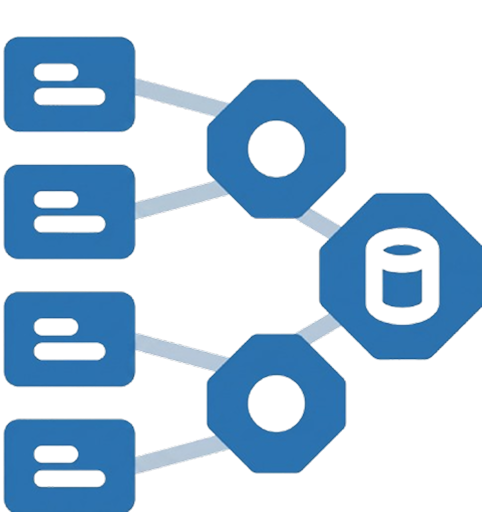
Multi-Tenant Platform Development
Data leaking between tenants is a catastrophic trust failure in a SaaS product - not a recoverable bug. Implementing multi-tenancy correctly requires deliberate architectural choices, not bolted-on permission checks. We implement the right multi-tenancy model for your product - shared database with row-level isolation, database-per-tenant, or schema-per-tenant - with the data access patterns, access controls, and testing rigour that ensure tenant data is always isolated correctly.

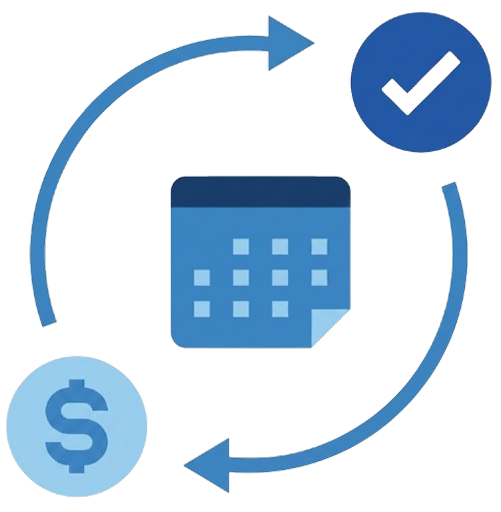
Subscription & Billing Integration
Subscription billing logic that's built manually - charging, dunning, proration, trial periods, plan upgrades and downgrades - is one of the highest-risk areas in SaaS development. Edge cases are plentiful and errors directly cost revenue or customer relationships. We integrate Stripe Billing with proper webhook handling, dunning management, proration logic, invoice generation, and plan management - so your billing infrastructure handles the complexity reliably without custom code for every edge case.
API-First Development
A SaaS platform without a clean, well-documented API is a closed system in a world that expects integrations. We build SaaS products API-first - every capability accessible via API before it's wrapped in a UI - with proper versioning strategy, authentication (OAuth 2.0 and API keys), rate limiting, and documentation that third-party developers and enterprise customers can actually use.
Role-Based Access Control
SaaS products that serve teams need permission systems that match how those teams actually work — not a flat admin/user setup that forces customers to work around it. We design and implement role-based access control systems that are flexible for organisational structures, auditable for enterprise requirements, and simple enough for your team to extend without constant security reviews.

SaaS Dashboard & Analytics
The product analytics your customers see inside your SaaS product directly affect how much value they perceive they're getting - and therefore whether they renew. We build customer-facing dashboards and reporting features that surface meaningful insights from your platform's data, with the performance optimisation that lets dashboards load quickly even as the underlying datasets grow.
Technologies We Use
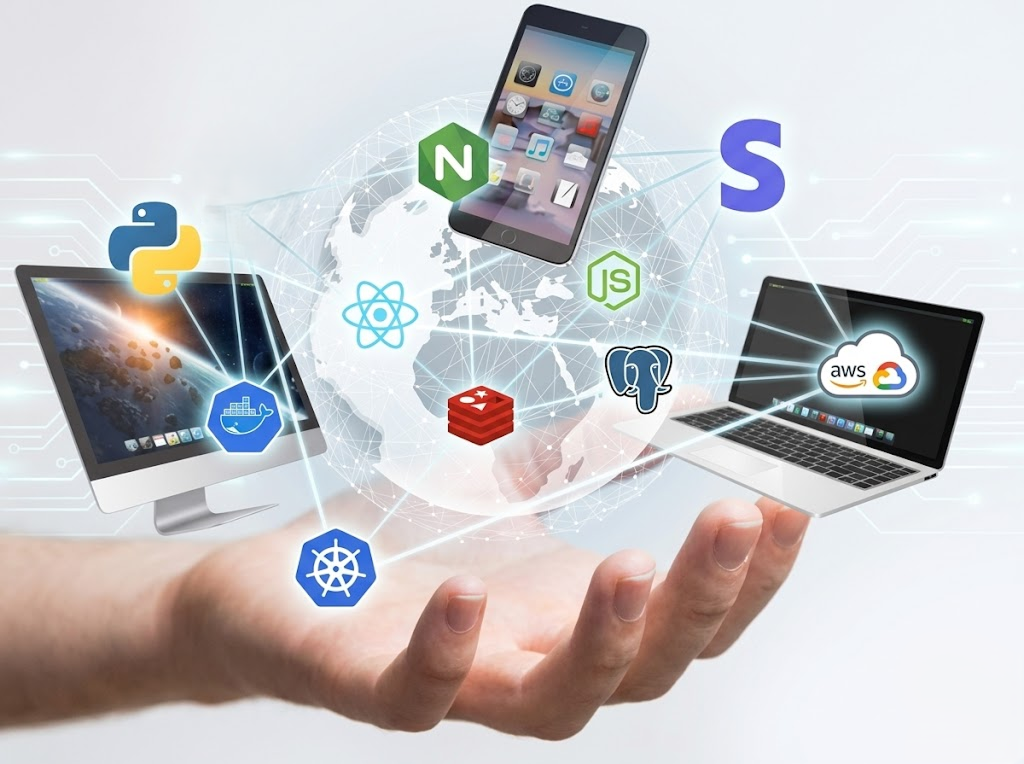
SaaS platforms require technology choices that support multi-tenancy, rapid feature development, and long-term maintainability. We build SaaS backends with Node.js (NestJS) or Python (Django/FastAPI) depending on your requirements; React or Next.js for the frontend; PostgreSQL as the primary database with Redis for caching and queuing; Stripe for billing; Auth0 or custom JWT-based authentication for identity; AWS or GCP for infrastructure; and Docker and Kubernetes for containerised deployment. Every decision is documented, your team is trained, and you own the full stack.
Streamline your business operations.
- Add a feature section about the product.
- Add a feature section about the product.
- Single upfront payment.
Task management

Curious george
UI UX designer
1 days Ago
Progress Tracking



Ensure strong solutions are available at all times
Until recently, the prevailing view assumed lorem ipsum was born as a nonsense text. It's not Latin though it looks like nothing.
- On demand support
- Information Sharing
- Cloud Technology


Select the pricing plan that best suits your needs.
Simplified
For individuals and small teams with unlimited trial access.
$19.00
Monthly
$230.00
Yearly
- Single Payment
- Selling your own items
- Powerful integration
Basic
For individuals and small teams with unlimited trial access.
$3342.00
Monthly
$4420.00
Yearly
- Unlimited Bandwidth
- Promotional Tools
- Single Payment
- Single Payment
- Selling your own items
- Powerful integration
Enhanced
For individuals and small teams with unlimited trial access.
$4800.00
Monthly
$5800.00
Yearly
- Selling on your own conditions
- Seamless integrations
- Real-time streaming
Our Proven SaaS Development Process
Too many SaaS projects fail not because the technology doesn't work, but because the problem wasn't properly defined, the data wasn't ready, or the solution was built in isolation from the people who'd actually use it. Our process is built to avoid all three.

Why Businesses Choose Brainspack for SaaS Development
Architecture That Doesn't Fight Your Growth
We make the multi-tenancy, API, and infrastructure decisions correctly at the start - so you're not rewriting the data layer when you land your first enterprise customer.
Security Is Not Negotiable
Tenant data isolation, access control, secrets management, and input validation are built into the architecture - not reviewed after a security incident.
End-to-End Delivery
Architecture, design, development, billing integration, DevOps, and post-launch support - one team, full accountability.
Billing That Works
Stripe integration with proper webhook handling, edge case coverage, and dunning management - not manual subscription logic that breaks on upgrade/downgrade scenarios.
You Own the Platform
Complete documentation, clean architecture, and handover training. You're not dependent on us to understand your own product.
People Also Ask
With the architecture conversation, not the design conversation. The most important decisions in SaaS development - how you handle multi-tenancy, how you design your API, how you structure your data model - are architectural, not visual. We start every SaaS engagement with a structured discovery session that defines these decisions before any design or development begins. Getting these right at the start is significantly cheaper than fixing them after you have paying customers.
The key differences are multi-tenancy (serving multiple customers from one application while keeping their data isolated), subscription billing (ongoing payment management with trials, upgrades, downgrades, and dunning), role-based access (permissions that map to how customer teams are organised), and the operational requirements (monitoring, scaling, security) that come with running a product customers depend on in their own businesses. These aren't features you add later - they're architectural foundations you build on from the start.
We implement the tenancy model appropriate for your product's requirements: shared database with row-level security for most SaaS products (cost-efficient, easy to manage, scales well); schema-per-tenant for products where customers require stronger logical isolation; database-per-tenant for products with enterprise customers who require contractual data isolation. Every approach is implemented with the testing rigour to verify isolation is actually working - not just assumed.
We build with compliance requirements in mind from the start: proper data retention controls, audit logging, data export/deletion capabilities, encryption at rest and in transit, and access controls that support compliance reporting. For formal SOC 2 certification, we work alongside your compliance partner to ensure the technical controls are in place. We don't claim to provide legal compliance advice, but we build the technical foundation that makes compliance achievable.
A focused SaaS MVP with core features - multi-tenancy, billing, authentication, basic dashboard - typically takes 12–16 weeks. A full-featured SaaS platform with complex role-based access, advanced analytics, and multiple integrations ranges from 20–32 weeks. We give you a phased timeline in your first consultation with clear milestones and early deliverables so you can see progress before the full platform is complete.
Yes. Our offices are in Mohali (Punjab) and Yamuna Nagar (Haryana), but we work with founders and product teams across India and internationally. SaaS development is fully remote-friendly - with shared project dashboards, regular video calls, and written documentation throughout. Location has never been a barrier.