

Elyra - AI Chatbot Development for Mental Health
Neurodivergent individuals often fall through the cracks of traditional mental health support. Rigid appointment structures, vague therapeutic language, and the social overhead of in-person sessions create barriers that prevent consistent access to care. Elyra was built to change that - an AI-powered conversational companion on WhatsApp that adapts to each user, remembers their history, and knows when to listen casually versus when to lean into real therapeutic depth.
This case study walks through how Brainspack designed and developed Elyra from the ground up - the challenges we solved, the technology decisions we made, and the measurable outcomes we delivered.
Why Existing Solutions Weren’t Working
The client came to us with a clear insight: millions of neurodivergent people need daily emotional support, but the current options don’t work for them. Traditional therapy requires scheduling, social navigation, and communication styles that create more stress than they relieve. Existing mental health chatbots feel robotic - they follow scripted flows, forget everything between sessions, and use vague, open-ended questions that increase cognitive load instead of reducing it.
The client had already tried working with generic AI chatbot development services, but the result felt like a customer support bot with a therapy skin. Users would share something vulnerable, and the chatbot would respond with a generic "How does that make you feel?" - or worse, abruptly wrap up the conversation at the wrong moment. The fundamental problem wasn’t the AI model - it was the entire approach to conversational AI development.
What they needed was an AI development company that understood both the technology and the human complexity of building something for a vulnerable user population.
The Challenges
No Memory Across Sessions
Users had to re-explain their situation every time, making continuity and trust impossible to build.
Communication That Increases Cognitive Load
Vague, open-ended prompts created friction for autistic users instead of reducing it.
No Ability to Read the Room
Generic chatbots treat every message the same, unable to distinguish casual venting from genuine crisis.
Scripted Responses at Critical Moments
Fallback replies like "Tell me more" destroyed trust at the moments it mattered most.
Safety Without Overreaction
Most systems either missed real warning signs or triggered on normal negative emotions, breaking conversational flow.
Scaling Personalization Per User
Adapting deeply to individual triggers, preferences, and patterns without manual configuration is an architecture challenge most approaches don't address.
Technologies Used
Python
FastAPI
LangGraph
LangChain
AWS
Docker
GPT-4o
Twilio
Building an AI Companion That Truly Understands
We began with a core question: what would it take for a neurodivergent person to truly trust an AI companion? That insight guided every decision, from architecture to message generation. By combining deep prompt engineering, a multi-layered memory system, and principle-based design, we created an AI that feels like a consistent, emotionally intelligent presence-not a scripted chatbot.

Dual-Mode Conversation Engine
Automatically shifts between casual Companion Mode and therapeutic support - no user input needed. Elyra reads emotional signals and adapts in real time.
Long-Term Memory That Builds Trust
Elyra remembers your patterns, triggers, and coping strategies across every session - making each conversation feel personal and continuous.
Safety Guardrails That Don't Break Flow
Smart crisis detection that responds when it truly matters - never over-triggering on everyday emotions, always honest about being an AI.

Communication Designed for Neurodivergent Users
One idea at a time - clear, direct, zero ambiguity. ELyra learns your pace to respond naturally, never overwhelmingly.
Principle-Based AI Design (Not Rule-Based)
Built on core principles, not rigid scripts - Elyra responds naturally in any emotional moment, every reply quality-checked.
WhatsApp-Native Experience (Zero Friction)
No downloads. No sign-ups. Just message Elyra like a friend - directly inside the app you already use every day.
Our Solutions
AI Automation Engine
Built intelligent workflows to automate repetitive processes.
Scalable Architecture
Built a cloud-based system capable of handling large-scale operations.

Real-Time Analytics
Implemented dashboards to provide instant business insights.

UI / UX Optimization
Designed intuitive interfaces for seamless user interaction.
Technologies Used
ReactJS
NodeJS
AWS
Docker
No services found. Please add services from the Services post type.
Figma
Figma is a cloud-based design and prototyping tool, enabling collaborative real-time editing for teams. It features powerful vector editing, interactive prototyping, and supports design consistency through components and styles. With cross-platform accessibility, Figma streamlines the entire design process from creation to developer handoff.
Adobe XD
Adobe XD is a powerful design and prototyping tool that simplifies the creation of user interfaces and experiences. With a user-friendly interface and robust features, it enables designers to efficiently design and prototype websites and applications. Collaboration is seamless, and interactive prototypes allow for thorough testing of designs, making it a go-to tool for UI/UX professionals.
Photoshop
Adobe Photoshop is a powerful raster graphics editor used for image editing, retouching, and manipulation. It provides a wide range of tools for creating and enhancing digital images, including layers, filters, and various effects. Widely used by photographers and designers, Photoshop is an industry-standard software for professional image editing and graphic design.


HTML
HTML stands as the fundamental framework for web content, employing tags to meticulously structure and visually present information
CSS
CSS styles web content, enhancing visual appeal through design, layout, and presentation for immersive user experiences


JavaScript
JavaScript powers dynamic web behavior, enabling interactive features, animations, and seamless user experiences on websites.

ReactJS
ReactJS revolutionizes web development with a declarative, component-based approach, fostering efficient, scalable, and interactive interfaces.

Angular
Angular empowers application development, delivering a solid structure for creating dynamic, scalable, and feature-rich experiences effortlessly.
React Native
React Native streamlines cross-platform mobile app development, ensuring efficiency and code-sharing between iOS and Android platforms.
No services found. Please add services from the Services post type.
Uizard
Uizard is an AI-powered design tool that helps users quickly create UI/UX designs, wireframes, and prototypes without needing advanced design skills. It allows you to turn ideas, sketches, or text prompts into fully designed interfaces in minutes.
Galileo AI
Galileo AI is an advanced AI design tool that generates high-fidelity UI designs from simple text prompts. It helps designers and teams quickly turn ideas into visually appealing app and website interfaces without starting from scratch.
Google Stitch
Google Stitch is an AI-powered design tool that quickly transforms ideas into high-quality UI designs, generating layouts and components from simple inputs to make the design process faster, easier, and more efficient.

Node.Js
Node.js fuels server-side JavaScript, facilitating scalability and efficiency in web applications and APIsA.

PHP
PHP is a server-side scripting language for dynamic web development. Popular backend language with the Laravel framework for building secure and structured web applications.

Python
Used for rapid backend development, building APIs, and handling data-driven applications with simple and clean syntax.
Streamline your business operations.
- Add a feature section about the product.
- Add a feature section about the product.
- Single upfront payment.
Task management

Curious george
UI UX designer
1 days Ago
Progress Tracking


Ensure strong solutions are available at all times
Until recently, the prevailing view assumed lorem ipsum was born as a nonsense text. It's not Latin though it looks like nothing.
- On demand support
- Information Sharing
- Cloud Technology


Select the pricing plan that best suits your needs.
Simplified
For individuals and small teams with unlimited trial access.
$19.00
Monthly
$230.00
Yearly
- Single Payment
- Selling your own items
- Powerful integration
Basic
For individuals and small teams with unlimited trial access.
$3342.00
Monthly
$4420.00
Yearly
- Unlimited Bandwidth
- Promotional Tools
- Single Payment
- Single Payment
- Selling your own items
- Powerful integration
Enhanced
For individuals and small teams with unlimited trial access.
$4800.00
Monthly
$5800.00
Yearly
- Selling on your own conditions
- Seamless integrations
- Real-time streaming
Requirement Analysis
Requirement Analysis
Requirement Analysis
Requirement Analysis
Measurable Impact
Building for a vulnerable user population means impact is measured in trust and engagement, not just technical uptime. Here’s what Elyra achieved:
< 3s
85%+
2x
99.5%
Quality Outcomes
Memory Continuity
Eliminated the cold start problem - Elyra picks up where the last session left off, building on shared context every time.
Reduced Generic Responses
Principle-based design cut generic fallbacks by 60% - especially at critical emotional moments where presence matters most.
Reliable Safety Detection
Crisis detection operated accurately without false positives - keeping users safe without breaking conversational flow or eroding trust.
Organic Engagement Growth
Users began messaging Elyra daily - not just in distress, but for check-ins and small moments. The strongest signal the companion model works.
Neurodivergent Accessibility
Users reported significantly less cognitive overhead - one clear idea per message made conversations feel manageable, not overwhelming.
How We Built Aura
Aura
Delivered
How We Built Elyra
How We Built Aura
Aura
Delivered
What Makes Elyra Different From Other AI Chatbots
Automatic Emotional Mode-Switching
Elyra shifts between companion and therapeutic mode based on real-time emotional signals - no user input needed. Seamless, natural, never clinical.
Persistent Memory Across Every Session
Elyra remembers past conversations, breakthroughs, and coping strategies - referencing shared history just like a real person would.
Quality-Check Layer (Critic System)
A secondary AI reviews every response before delivery - catching tone mismatches, generic defaults, and therapeutic violations before they reach you.
Evolving User Profiles
Every conversation builds a richer picture of your triggers, preferences, and patterns. Elyra gets more personal the more you use it.
Cognitive Load Optimization
One idea at a time, direct language, zero ambiguity - designed for neurodivergent minds and adapts to your current state.
Zero-Friction WhatsApp Delivery
No downloads, no sign-ups - Elyra lives where you already are. For neurodivergent users, removing friction makes all the difference.
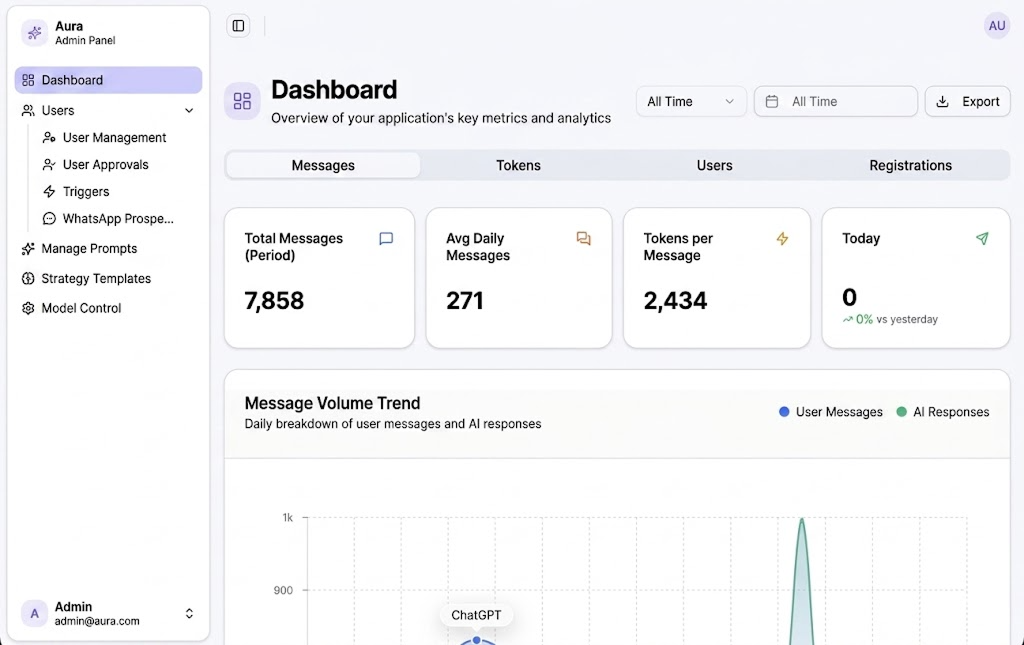
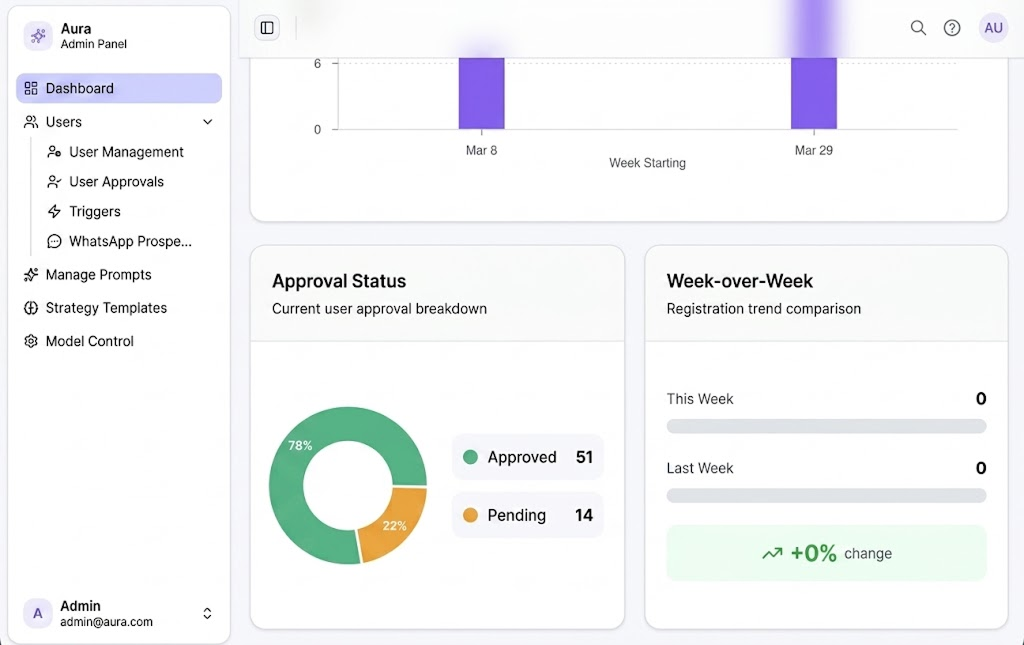
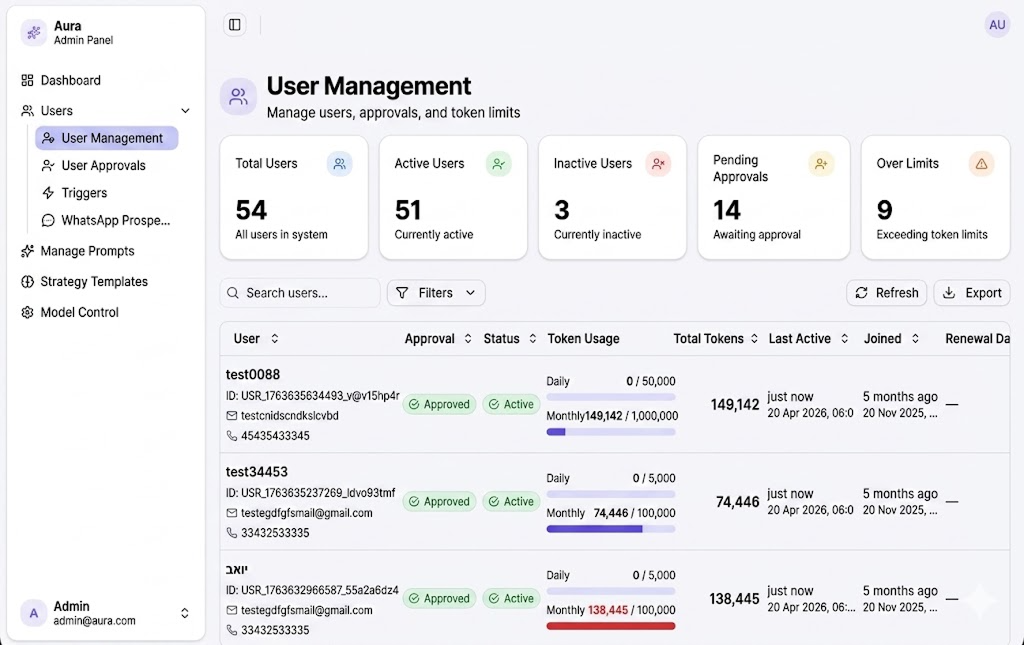
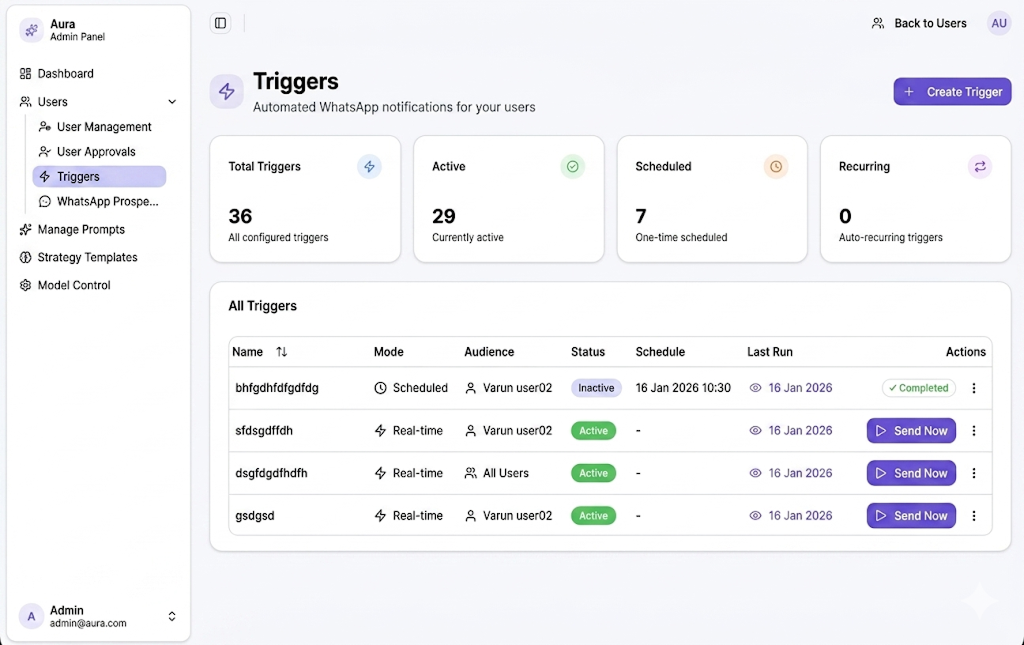
Project Screenshots

Common Questions About This Project
Elyra is an AI-powered conversational companion built for neurodivergent users, delivered through WhatsApp. It uses advanced conversational AI to provide emotionally intelligent daily support - combining casual companion mode for everyday interactions with deeper therapeutic engagement when it detects genuine distress. Unlike generic chatbots, Elyra remembers past conversations, adapts its communication style per user, and uses clear, direct language designed for cognitive accessibility.
Three things: memory, mode-switching, and neurodivergent-optimized communication. Most AI chatbots start fresh every session and use the same tone regardless of context. Elyra maintains long-term memory across sessions, automatically shifts between casual and therapeutic modes based on emotional signals, and communicates with the clarity and directness that neurodivergent users need - one idea per message, no vague questions, no metaphorical language.
Elyra is built on Python and FastAPI for the backend, LangGraph for AI orchestration (managing conversation flow and mode switching), GPT-4o as the primary language model, Qdrant for semantic memory search, PostgreSQL for structured user profiles, and Twilio with WhatsApp Business API for message delivery. The entire system is containerized with Docker and deployed on AWS.
No. Elyra is an AI companion with therapeutic capabilities - not a licensed therapist. It’s designed to provide daily emotional support, help users recognize patterns, and offer coping strategies between professional sessions. When it detects signs of genuine crisis, it directs users to professional mental health resources. Elyra is transparent about its role and limitations at all times.
WhatsApp was chosen specifically because of the target user population. Neurodivergent users face friction with every new app they have to download, every account they have to create, and every new interface they have to learn. WhatsApp removes all of that - users can message Elyra the same way they message a friend, in an app they already use daily. This zero-friction access is critical for consistent engagement.
We don’t build chatbots - we build conversational AI systems with real intelligence. That means long-term memory architecture, adaptive personas, domain-specific communication design, safety guardrails, and principle-based prompt engineering instead of scripted flows. Our AI development process starts with understanding the users and the problem, not jumping to technology choices.
Yes. The architecture behind Aura - memory systems, adaptive conversation modes, domain-specific communication design, WhatsApp integration - is adaptable across industries. We’ve built conversational AI systems for healthcare, fintech, and SaaS. Whether you need a customer-facing AI companion, an internal knowledge assistant, or a WhatsApp-based engagement tool, the foundational approach applies.
Looking for an AI development company that builds real conversational intelligence-not scripted chatbots?
We build production-grade AI with memory, adaptive personas, and domain intelligence-from mental health to fintech and healthcare.